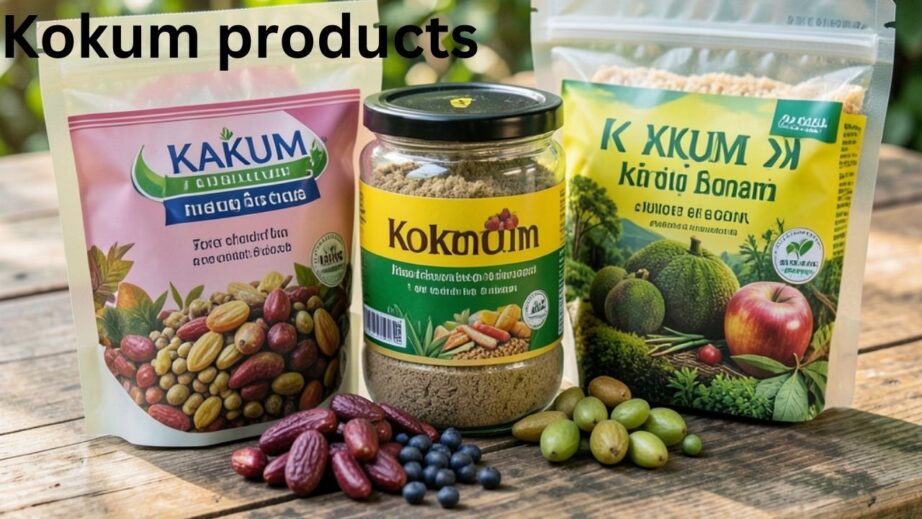
Introduction
The kokum and kokum products business is an opportunity in the natural food and herbal products market. Kokum, a tropical fruit is now gaining recognition due to its refreshing taste, long shelf life and also use in health-focused products.
With increasing demand for natural ingredients, plant-based beverages and superfoods, kokum products are fgaining demand worldwide which makes kokum-based businesses suitable for small entrepreneurs, food processors, and export-oriented business.
What Is the Kokum and Kokum Products Business?
The kokum and kokum products business involves sourcing kokum fruit and processing it into various products such as kokum rind, kokum syrup, kokum butter, concentrates, and beverages.
Global Market Demand for Kokum Products
Demand for Kokum is increasing because of use in:
- Natural beverages and syrups
- Herbal and traditional foods
- Nutraceutical and wellness products
- Cosmetic and skincare formulations
- increase in interest in traditional and functional foods
- Preference for natural souring agents over artificial additives
- Growth of herbal and wellness industries
- Expanding global market for plant-based ingredients
Types of Kokum Products
Some of kokum products include:
1. Dried Kokum Rind
Used as a natural souring agent in cooking.
2. Kokum Syrup
A refreshing beverage base popular in health drinks.
3. Kokum Concentrate
Used in beverages and food processing industries.
4. Kokum Butter
Extracted from seeds and used in cosmetics and pharmaceuticals.
5. Kokum-Based Health Products
Capsules, extracts, and herbal blends.
Investment and Startup Cost
The investment required for a kokum and kokum products business depends on
Small-Scale Setup
- Raw kokum sourcing
- Basic drying and processing tools
- Packaging materials
- Processing and extraction equipment
- Storage and quality testing
- Branding and export logistics
Profit Potential and Margin
Average Profit Insights
- Raw kokum trading offers moderate returns
- Processed kokum products can generate 30%–40% profit margins
- Kokum butter and concentrates earn premium pricing
Processing and Production Overview
Basic steps include:
- Cleaning and grading kokum fruits
- Drying the rind under controlled conditions
- Grinding or extraction (depending on product)
- Syrup or butter preparation
- Packaging and labeling
Legal and Food Safety Requirements
Regulations differ by country, but generally include:
- Food or herbal product registration
- Compliance with food safety and hygiene standards
- Ingredient disclosure and labeling
- Export certifications (if applicable)
Marketing and Sales Strategy
Offline Channels
- Herbal and organic food stores
- Restaurants and beverage manufacturers
- Wholesalers and distributors
Online and B2B Channels
- E-commerce platforms
- Wholesale marketplaces
- Direct export partnerships
- Social media and content marketing
Challenges and Solutions
Limited Awareness in Some Markets
→ Focus on education and digital marketing
Raw Material Availability
→ Build long-term supplier relationships
Quality Consistency
→ Standardized processing methods
Growth and Expansion Opportunities
Once established, the kokum and kokum products business can expand into:
- Ready-to-drink kokum beverages
- Organic and certified kokum products
- Export-focused wellness ingredients
- Private labeling for global brands
Conclusion
The kokum and kokum products business is high-potential opportunity in the natural products industry. With increasing demand for traditional and plant-based ingredients, this business offers sustainable growth and attractive profitability.
