Introduction
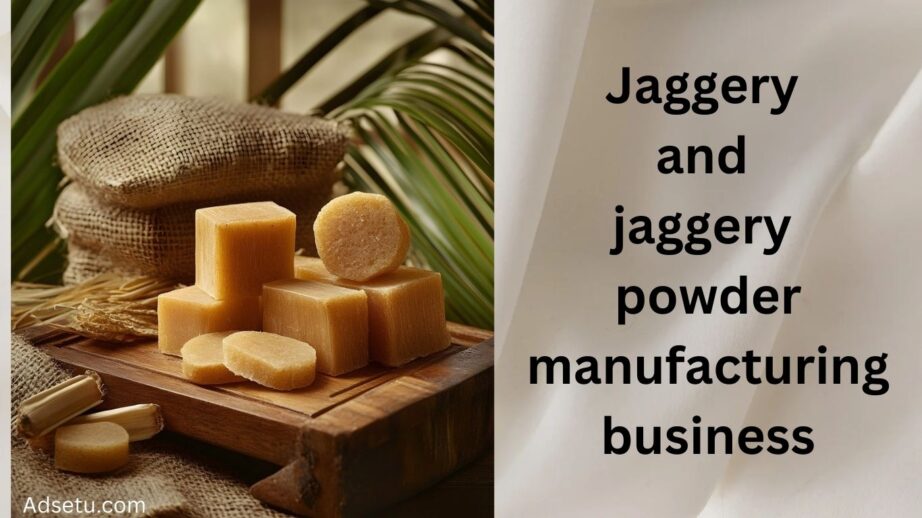
The jaggery products business is popular across the world as people moving away from refined sugar and move toward natural and traditional sweeteners. Jaggery, made from sugarcane juice or palm sap, is widely used in food, beverages, and wellness products due to its natural taste and mineral content.
With increasing awareness about natural foods and traditional diets, demand for jaggery-based products are increasing.
What Is the Jaggery Products Business?
The jaggery products business involves producing, processing, and selling jaggery and jaggery-based products. It is the agriculture-based food processing industry, where raw sugarcane or palm sap is converted into natural sweetener products.
Global Market Demand for Jaggery Products
Jaggery is consumed all over the world as a natural alternative to refined sugar.
Reasons for Rising Demand
- Increasing preference for unrefined sweeteners
- Growth of organic and natural food markets
- Use in traditional, ethnic, and health foods
- Demand from food manufacturers and bakeries
Types of Jaggery Products
Popular jaggery products include:
1. Solid Jaggery Blocks
Used in cooking, sweets, and beverages.
2. Jaggery Powder or Granules
Easy to use and popular in retail markets.
3. Flavored Jaggery
Infused with ginger, turmeric, spices, or herbs.
4. Liquid Jaggery (Jaggery Syrup)
Used in beverages and desserts.
5. Jaggery-Based Snacks and Sweets
Such as energy bars, candies, and traditional sweets.
Investment and Startup Cost
Initial Setup
- Basic jaggery processing unit
- Simple molds and packaging tools
- Automated processing and molding machines
- Packaging, branding, and storage facilities
Profit Margin and Income Potential
Profit depends on:
- Raw material cost (sugarcane or palm sap)
- Processing efficiency
- Level of value addition
Average Profit Insights
- Plain jaggery offers moderate margins
- Value-added jaggery products can generate 30%–40% profit
- Organic and flavored products earn premium pricing
Branding and consistent quality makes profitability.
Processing and Production Overview
Basic steps include:
- Extracting juice from sugarcane or sap
- Boiling and concentrating the juice
- Removing impurities naturally
- Molding or granulating jaggery
- Cooling, packaging, and labeling
Legal and Food Safety Requirements
Regulations vary by country, but generally include:
- Food business registration or license
- Compliance with food safety standards
- Ingredient and nutritional labeling
- Export certifications for international trade
Marketing and Sales Strategy
Offline Channels
- Grocery and health food stores
- Wholesale markets
- Sweet manufacturers and bakeries
Online and B2B Channels
- E-commerce platforms
- Wholesale marketplaces
- Social media marketing
- Direct partnerships with food brands
Promoting jaggery as a natural sweetener helps attract health-conscious consumers.
Challenges and Solutions
Moisture Absorption
→ Use proper packaging and storage
Seasonal Raw Material Supply
→ Plan production and storage in advance
Market Competition
→ Focus on purity, quality, and branding
Growth and Expansion Opportunities
The jaggery products business can expand into:
- Organic and certified jaggery
- Ready-to-use jaggery syrups
- Jaggery-based health snacks
- Export-oriented natural sweetener brands
With increase in demand for natural foods, long-term growth prospects are strong.
