Introduction
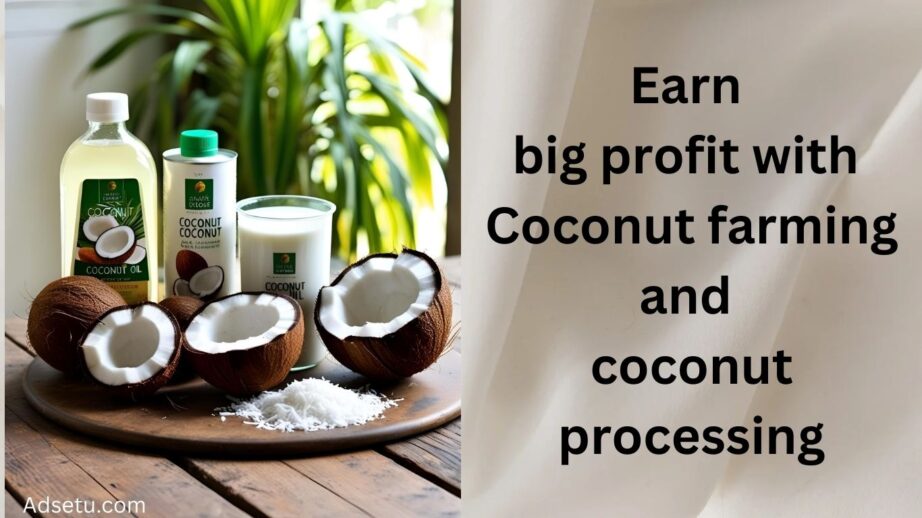
The coconut and coconut products business is one of the most versatile and profitable business in the agri and food processing sector. Coconut is called the “tree of life” because every part of it is used in food, health, cosmetics and industrial applications.
With increase in demand for plant-based foods, natural oils, and eco-friendly products, coconut-based businesses are expanding. Coconut business an excellent opportunity for entrepreneurs, farmers, and exporters around the world.
What Is the Coconut and Coconut Products Business?
This coconut and coconut products business include sourcing coconuts and converting them into various products such as coconut oil, coconut water, coconut milk, desiccated coconut, and coconut shell products.
It is the agriculture-based, food processing, and natural products industry comes with opportunities at small, medium, and large scales.
Market Demand for Coconut Products
Reason for Global Demand
- Growth of vegan and plant-based diets
- Increased use of natural and cold-pressed oils
- Demand for coconut water as a health drink
- Expanding cosmetic and personal care industry
- Alternatives to plastic using coconut shells
Types of Coconut and Coconut Products
One of the biggest advantages of this business is diversity.
1. Coconut Oil
Used in cooking, cosmetics, and wellness products.
2. Coconut Water
A natural hydration drink with global demand.
3. Coconut Milk and Cream
Popular in food, beverages, and dairy alternatives.
4. Desiccated Coconut
Used in baking, confectionery, and snacks.
5. Virgin Coconut Oil
Premium product with higher profit margins.
6. Coconut Shell and Coir Products
Used in handicrafts, activated carbon, ropes, mats, and eco-products.
Investment and Startup Cost
Small-Scale Business
- Raw coconut procurement
- Manual or semi-automatic processing
- Basic packaging setup
- Automated oil extraction or processing units
- Cold-pressed oil machinery
- Branding, storage, and logistics
Profit Margin and Income Potential
Average Profit Margins
- Basic coconut products: 20%–30%
- Value-added products: 30%–60%
- Export-oriented and organic products: Higher margins
Processing and Production Overview
General processing steps include:
- Coconut harvesting and sorting
- Dehusking and shell removal
- Extraction or processing (oil, milk, water)
- Drying or filtration
- Packaging and labeling
Legal and Food Safety Requirements
While regulations vary by country, common requirements include:
- Food business registration or license
- Compliance with food safety standards
- Nutritional labeling and ingredient disclosure
- Export certifications (if applicable)
Marketing and Sales Strategy
Offline Channels
- Grocery stores and supermarkets
- Health and organic food shops
- Wholesalers and distributors
Online Channels
- E-commerce platforms
- Direct-to-consumer websites
- Social media and content marketing
- B2B export marketplaces
Challenges and Solutions
Price Fluctuation of Raw Coconuts
→ Secure long-term supplier contracts
Quality Control
→ Maintain standardized processing
Competition
→ Focus on branding, quality, and niche products
Growth and Expansion Opportunities
- Organic coconut products
- Ready-to-drink coconut beverages
- Coconut-based vegan foods
- Activated carbon and eco-products
