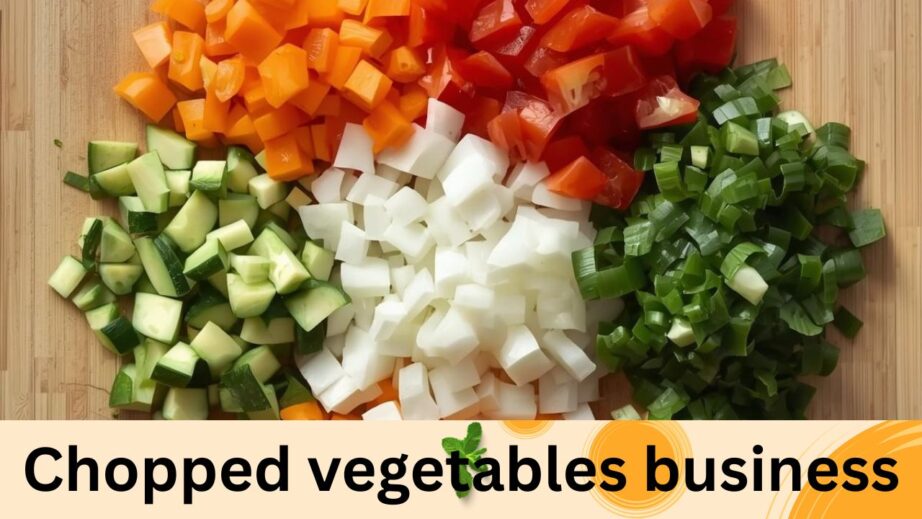
Chopped Vegetables Business: A Complete Guide to a Profitable Food Processing Venture

✅ Focus Keyword

Chopped Vegetables Business


Meta Title

Chopped Vegetables Business Guide – Investment, Profit & Market Demand

Meta Description

Learn how to start a chopped vegetables business anywhere in the world. Discover processing methods, startup cost, profit margin, and marketing strategies.


Introduction

The chopped vegetables business is one of the fastest-growing segments in the food processing industry. With modern lifestyles becoming increasingly busy, consumers, restaurants, and food service providers prefer ready-to-use chopped vegetables that save time and reduce kitchen labor.

Rising urbanization, growth of cloud kitchens, and increasing demand for hygienically processed foods have made this business a high-potential opportunity worldwide. The chopped vegetables business can be started on a small scale and expanded as demand grows.


What Is the Chopped Vegetables Business?

The chopped vegetables business involves cleaning, cutting, processing, and packaging fresh vegetables into ready-to-cook or ready-to-use formats. These products are sold to households, hotels, restaurants, catering services, and institutional buyers.

This business falls under the fresh food processing and convenience food sector, focusing on hygiene, quality, and shelf-life management.


Global Market Demand for Chopped Vegetables

The demand for chopped vegetables is increasing globally due to lifestyle changes and food service expansion.

Key Demand Drivers

  • Busy urban lifestyles
  • Growth of hotels, restaurants, and cloud kitchens
  • Rising preference for hygienic and packaged foods
  • Expansion of online grocery and food delivery services

The chopped vegetables business enjoys daily and repeat demand, making it highly sustainable.


Types of Chopped Vegetable Products

A wide range of vegetables can be processed and sold.

Common Chopped Vegetables

  • Onion, potato, tomato
  • Carrot, cabbage, cauliflower
  • Capsicum, beans, peas
  • Leafy vegetables (washed and cut)

Value-Added Products

  • Mixed vegetable packs
  • Soup and stir-fry vegetable kits
  • Salad-ready vegetable packs

Customization based on customer needs increases sales.


Investment and Startup Cost

The investment required for a chopped vegetables business depends on scale and level of automation.

Small-Scale Setup

  • Washing tanks and cutting tools
  • Basic cold storage or refrigeration
  • Simple packaging materials

Investment level: Low

Medium to Large-Scale Setup

  • Automatic vegetable cutters
  • Cold rooms and temperature-controlled transport
  • Vacuum or modified atmosphere packaging

Investment level: Moderate

Businesses can start small and scale quickly.


Profit Margin and Income Potential

Profitability depends on:

  • Raw vegetable procurement cost
  • Reduction of wastage
  • Efficient cold chain management

Average Profit Margins

  • Retail chopped vegetables: 20%–35%
  • Institutional supply: 15%–30%
  • Value-added packs: 30%–45%

Consistent quality and freshness drive repeat sales.


Processing and Production Workflow

Basic processing steps include:

  1. Sourcing fresh vegetables
  2. Washing and sanitizing
  3. Cutting and chopping
  4. Draining and drying
  5. Packaging and cold storage

Maintaining hygiene at every step is critical.


Packaging and Storage Best Practices

  • Use food-grade, leak-proof packaging
  • Maintain cold storage between processing and delivery
  • Label with use-by date and storage instructions
  • Use transparent packaging for consumer trust

Good packaging improves shelf life and brand value.


Legal and Food Safety Requirements

Although regulations vary by country, common requirements include:

  • Food business registration
  • Compliance with hygiene and food safety standards
  • Employee health and sanitation protocols
  • Proper labeling and traceability

Always follow local food safety regulations.


Marketing and Sales Strategy

Offline Sales Channels

  • Local vegetable markets
  • Hotels, restaurants, and caterers
  • Supermarkets and convenience stores

Online and Subscription Models

  • Online grocery platforms
  • Direct-to-consumer subscriptions
  • Social media and local delivery apps

Freshness, hygiene, and convenience should be key marketing messages.


Challenges and Solutions

Short Shelf Life
→ Use cold chain and fast delivery

Wastage
→ Accurate demand forecasting

Price Fluctuation of Vegetables
→ Build farmer and wholesale partnerships


Growth and Expansion Opportunities

The chopped vegetables business can expand into:

  • Frozen vegetables
  • Pre-cooked vegetable packs
  • Ready-to-cook meal kits
  • Export of frozen or processed vegetables

Diversification ensures long-term growth.


Frequently Asked Questions (FAQs)

Is the chopped vegetables business profitable?
Yes, especially with bulk and institutional sales.

Can this business be started from home?
Yes, on a small scale with proper hygiene setup.

Who are the main customers?
Households, hotels, restaurants, caterers, and cloud kitchens.

Is cold storage mandatory?
Yes, to maintain freshness and food safety.


Conclusion

The chopped vegetables business is a practical, scalable, and future-ready food venture with strong global demand. As convenience foods become a necessity rather than a luxury, ready-to-use vegetables offer excellent business potential.

With a focus on hygiene, freshness, and efficient delivery, entrepreneurs can successfully build a chopped vegetables business anywhere in the world.


🏷️ SEO-Friendly Tags

  • Chopped Vegetables Business
  • Fresh Cut Vegetables
  • Ready to Cook Vegetables
  • Food Processing Business
  • Convenience Food Industry
  • Agriculture Based Business
  • Vegetable Processing Unit
  • Cold Chain Food Business
Author: Life quotes
Quotes about aspects of life