Table of Contents
Introduction
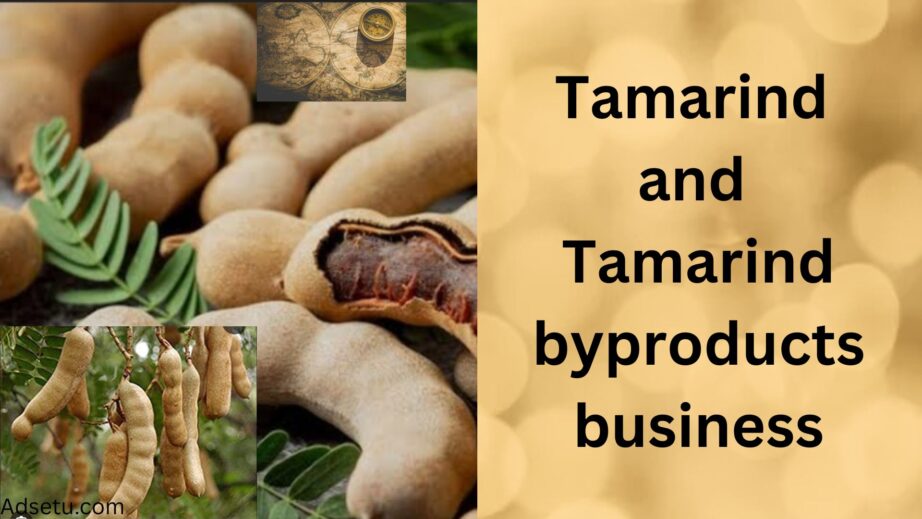
The tamarind and tamarind byproducts business is a global agribusiness and food processing industry. Tamarind is widely used in cuisines across the globe. Along with fresh pulp, tamarind offers multiple byproducts such as paste, powder, concentrate, candy, and seed derivatives, making it a highly versatile commercial crop.
Tamarind used for natural flavoring agents and used as traditional foods, and plant-based ingredients.
What Is the Tamarind and Tamarind Byproducts Business?
This business involves sourcing raw tamarind pods and converting them into value-added tamarind products for domestic and international markets. It falls under agriculture-based food processing businesses.
The business can be started in different forms:
- Raw tamarind trading
- Tamarind pulp processing
- Tamarind byproducts manufacturing
- Wholesale, retail, or export supply
Demand for Tamarind
Tamarind is used in:
- Traditional and modern cooking
- Sauces, chutneys, and condiments
- Beverages and confectionery
- Pharmaceutical and cosmetic products
Reasons for Rising Demand
- Natural souring agent replacing artificial additives
- Long shelf life compared to many fruits
- Increasing demand for ethnic and traditional foods
- Growing export markets for natural food ingredients
The tamarind and tamarind byproducts business has stable demand.
Types of Tamarind Byproducts
Value addition is the backbone of this business. Common byproducts include:
1. Tamarind Pulp
Used in cooking, sauces, and ready-to-use food products.
2. Tamarind Paste & Concentrate
Popular in food processing industries and restaurants.
3. Tamarind Powder
Used as a seasoning and flavoring ingredient.
4. Tamarind Candy & Snacks
Popular in retail and export snack markets.
5. Tamarind Seed Products
Used for starch, animal feed, and industrial applications.
Investment and Startup Cost
The investment for a tamarind and tamarind byproducts business is for.
Small-Scale Setup
- Raw tamarind sourcing
- Basic processing tools
- Packaging materials
- Processing machines
- Storage and grinding units
- Branding and logistics
Profit Potential and Margin
Profit and margin:
- Cost of raw tamarind
- Type of byproducts produced
- Processing efficiency
- Market pricing
- Raw tamarind trading offers moderate margins
- Processed byproducts can generate 30%–40% profit
- Export-oriented products.
Value-added tamarind products significantly improve profitability.
Processing and Production stages
Basic steps include:
- Cleaning and grading raw tamarind
- Deseeding and fiber removal
- Pulp extraction or drying
- Grinding or concentration (for powder/paste)
- Packaging and labeling
Packaging and Storage
- Use food-grade packaging materials
- Vacuum or airtight packing improves shelf life
- Store in dry, cool conditions
- Proper labeling increases buyer trust
Legal and Food Safety Requirements
Regulations vary by country, but generally include:
- Food business registration or license as per country.
- Compliance with food safety standards
- Hygiene and quality control measures
- Export certifications (for international trade)
Marketing and Sales Strategy
Offline Marketing
- Wholesale food markets
- Retail grocery chains
- Restaurants and food manufacturers
Online & B2B Channels
- Wholesale marketplaces
- E-commerce platforms
- Direct exporter and distributor tie-ups
- Social media branding
Challenges and Solutions
Seasonal Price Fluctuation
→ Arrangement of Long-term sourcing contracts.
Maintain Quality Consistency
→ Standardized processing methods.
Competition
→ Awareness about purity, packaging, and branding.
Growth and Expansion Opportunities
- Organic tamarind products
- Ready-to-use cooking concentrates
- Tamarind-based beverages
- International export markets
The tamarind and tamarind byproducts business has strong long-term scope.
Conclusion
The tamarind and tamarind byproducts business is a stable, scalable, and globally relevant agribusiness opportunity. With various byproducts, long shelf life and increasing demand for natural food ingredients, it has good profit potential.
